
Views: 0 Author: Site Editor Publish Time: 2026-08-23 Origin: Site


Upgrading your exhaust system forces a critical choice right at the engine block. You must decide whether to stick to the factory-style cast manifold or upgrade to tubular headers. Making the wrong choice often leads to wasted budget, under-hood clearance nightmares, or failed emissions tests. Engine builders know this decision impacts everything from daily drivability to peak track performance. We created this guide to provide a grounded, engineering-based comparison. Our goal is to help automotive builders and daily drivers evaluate components properly. You will learn how fluid dynamics, durability constraints, and emissions compliance dictate the right choice for your specific build.
Automotive exhaust manifolds prioritize durability, heat retention, and emissions compliance through thick, cast-iron construction. Ideal for daily drivers and budget builds.
Headers prioritize exhaust gas velocity and engine scavenging through individual, equal-length steel tubes. Essential for high-RPM horsepower gains.
Real-world performance gains from headers rely heavily on proper engine tuning and the downstream exhaust system.
Upgrading to headers introduces installation complexities, including potential steering shaft clearance issues and increased under-hood temperatures.
Component Profile Comparison
Feature | Cast Iron Manifold | Tubular Headers |
|---|---|---|
Material | Thick cast iron | Stainless or mild steel tubing |
Weight | Heavy | Lightweight |
Airflow Flow | Turbulent, combined chambers | Smooth, isolated primary tubes |
Thermal Retention | Excellent | Poor (without thermal coatings) |
Engineers design factory components around mass production and longevity. Manufacturers pour molten iron into sand molds to create an Exhaust Manifold. This traditional casting process yields highly durable, thick-walled components. These thick walls effectively trap intense heat inside the exhaust tract. They also dampen loud engine noise for a quieter cabin. However, the casting process leaves rough internal surfaces. This roughness creates unwanted friction as exhaust gases exit the engine block.
Performance headers require a completely different manufacturing approach. Builders construct them using mandrel-bent steel. They typically use 304 stainless steel or mild steel tubing. A mandrel bender prevents the metal tubes from crushing or kinking during the shaping process. This ensures the pipe maintains a consistent internal diameter. Headers feature individual pipes for each engine cylinder. This design isolates exhaust pulses instead of immediately crashing them together.
Airflow management dictates how efficiently your engine makes power. A cast manifold combines all exhaust gases into a single, restrictive chamber almost immediately. Four or eight cylinders dump hot gas into one shared space simultaneously. This creates massive turbulence. The colliding gases create localized backpressure. Backpressure forces the engine to work harder to push exhaust out, robbing you of potential horsepower.
Tubular headers solve this flow problem entirely. They separate the exhaust pulses into their own designated tubes. This isolation creates a fluid dynamics phenomenon known as the scavenging effect. When one exhaust pulse rushes down a primary tube, it creates a low-pressure wake behind it. This vacuum actually helps pull the next exhaust pulse out of the adjacent cylinder. Scavenging dramatically increases the volumetric efficiency of your engine. It allows the cylinders to fill with fresh oxygen much faster on the next intake stroke.
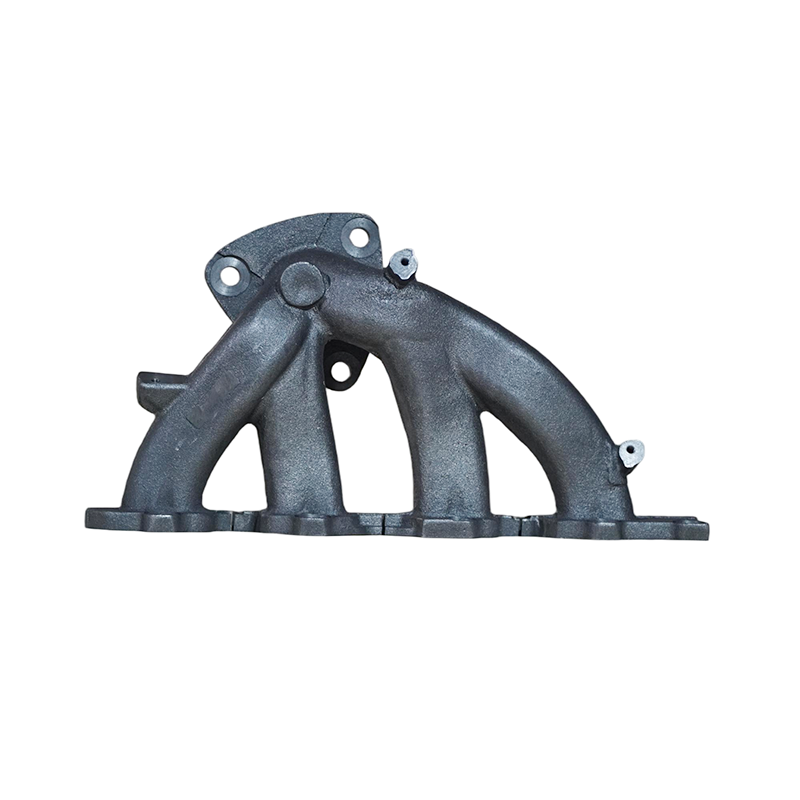
You do not always need to reinvent the wheel. Sometimes factory engineering provides the most logical solution. A traditional automotive exhaust manifold remains the undisputed champion for specific use cases. Daily commuters, OEM replacement jobs, and budget-conscious restorations benefit immensely from sticking to cast iron.
Let us examine the primary outcome advantages of a factory-style setup:
Longevity: Thick cast iron resists structural cracking from extreme thermal cycling. You can expose an iron manifold to thousands of heat cycles. It will usually outlast the vehicle itself.
Heat Management: Iron contains exhaust heat incredibly efficiently. It protects nearby sensitive components like wiring harnesses, plastic reservoirs, and starter motors. You do not need expensive aftermarket heat shielding.
Emissions & NVH: Factory manifolds run naturally quieter. They significantly reduce Noise, Vibration, and Harshness (NVH) entering the cabin. They also integrate seamlessly with factory catalytic converters. This guarantees strict OEM emissions compliance.
Despite these benefits, cast manifolds carry notable limitations. They add significant physical weight to the front end of your vehicle. Their restrictive internal design chokes airflow at higher RPMs. If you plan to build a high-horsepower application, this restriction will act as a major bottleneck.
Performance builds demand unrestricted airflow. You should upgrade to headers when building track cars, performance street machines, or forced-induction setups. These applications need to evacuate exhaust gases rapidly to maximize power delivery.
You must choose between two distinct styles of headers. Each serves a different performance goal.
Shorty Headers: These offer easier installation because they occupy less physical space. They focus primarily on boosting mid-range torque. Many shorty headers carry CARB-compliance certifications. This makes them legally permissible for street use in strict emissions states like California.
Long-Tube Headers: These deliver maximum top-end horsepower. The extended primary tubes provide significant scavenging benefits at high engine speeds. However, they usually eliminate factory catalytic converter placements. This restricts them to strictly off-road or track use only.
Upgrading to headers delivers tangible outcome advantages. You will see documented horsepower and torque increases across the powerband. Results will naturally vary depending on your engine displacement and modifications. Additionally, headers offer significant weight reduction over heavy cast iron components. Dropping weight off the nose of a sports car improves handling dynamics noticeably.
We must provide a data claim reality check here. Headers do not magically "create" new horsepower from nothing. Instead, they free up parasitic pumping losses. They allow the engine to breathe without restriction. You should expect realistic percentage gains rather than flat, inflated numbers. Always verify your performance increases via proper dyno tuning.
Selecting the right exhaust component requires careful evaluation. Use this decision matrix to guide your build strategy.
Budget vs. ROI: Factor in the complete cost of the upgrade. You must buy the headers themselves. You also need new premium gaskets, potential custom mid-pipes, and ECM tuning. Evaluate if the horsepower gained justifies this total investment.
Space and Fitment: Modern engine bays pack components tightly. Classic cars often have narrow shock towers. You might require custom fabrication to route long tubes around steering linkages and suspension components safely. Clearances can be incredibly tight.
Legal Compliance: Always check your local emissions laws before removing factory components. Removing manifolds with integrated catalytic converters violates federal laws in many regions. California CARB regulations require specific EO numbers on aftermarket parts.
Primary Goal: Commuter reliability dictates a cast manifold. Chasing a specific dyno number dictates tubular headers. Align your purchase directly with how you actually intend to use the vehicle.
Swapping exhaust components sounds simple on paper. In reality, it introduces several mechanical challenges. You must prepare for these common implementation risks.
Installation realities often frustrate home mechanics. Removing factory manifolds frequently results in broken mounting studs. Decades of extreme heat cycles make OEM hardware brittle. Extracting a snapped stud from an aluminum cylinder head requires specialized tools and immense patience. Furthermore, modern, tightly-packed engine bays restrict tool access severely. You might need to unbolt motor mounts and lift the engine slightly just to slide the new headers into place.
Thermal management becomes a mandatory concern. Thin-wall steel headers radiate massive amounts of heat into the engine bay. Without proper insulation, this radiant heat causes severe damage. It can easily melt nearby spark plug wires, warp plastic sensor housings, or boil your brake fluid. We highly recommend investing in ceramic coatings. If ceramic coating exceeds your budget, you must wrap the tubes tightly using quality fiberglass heat wraps.
Finally, consider the ongoing maintenance overhead. Header bolts are notoriously prone to backing out over time. The steel flanges expand and contract violently during thermal cycling. This constant movement loosens standard fasteners quickly, leading to annoying exhaust leaks. You will need to perform regular re-torquing. Upgrading to high-quality locking fasteners or safety wire solutions prevents this persistent issue.
The choice between an exhaust manifold and headers ultimately comes down to prioritizing reliability versus peak efficiency. Cast iron manifolds offer unbeatable longevity, quiet operation, and guaranteed emissions compliance for daily drivers. Conversely, tubular headers unlock hidden horsepower by maximizing exhaust gas velocity and engine scavenging for performance applications.
Take actionable steps before buying parts. First, evaluate your state's specific emissions laws to avoid expensive inspection failures. Second, grab a tape measure and verify your engine bay clearances around the steering shaft. Finally, consult with a reputable engine tuner in your area. They will confirm if your specific engine and camshaft profile will actually benefit from altered exhaust flow.
A: No. Without addressing the rest of the exhaust system (catalytic converters, mufflers) and adjusting the engine's air/fuel map (tuning), headers can sometimes shift the torque curve unfavorably.
A: Shorty headers often bolt directly to factory mid-pipes, but long-tube headers require custom fabrication or a matching aftermarket mid-pipe.
A: Often a symptom of a lean air/fuel mixture or retarded ignition timing, highlighting the mandatory need for post-installation engine tuning.
A: Generally no. Welding cast iron exposed to extreme thermal cycling is difficult and prone to re-cracking. Replacement with an OEM manifold or shorty header is the more reliable solution.


