
Views: 0 Author: Site Editor Publish Time: 2026-08-28 Origin: Site


You hear a harsh grinding sound when turning the ignition key. Your clutch slips noticeably during heavy acceleration, leaving you stranded on highway ramps. Then, the local repair shop hands you a written estimate causing immediate sticker shock. The physical component required to fix a flywheel often costs less than you might expect. The genuine financial burden stems from the massive physical labor required to reach it. Mechanics must separate heavy drivetrain components just to access this critical rotating disc.
This guide breaks down exact parts pricing, standard labor rates, and the complex resurface versus replace debate. You will learn how to evaluate mechanic quotes confidently and spot overpriced estimates. We also cover essential secondary repairs. Addressing these surrounding components now prevents redundant, expensive breakdowns in the near future.
Labor is the primary cost driver: Fixing or replacing an engine flywheel requires separating the transmission from the engine, resulting in 4 to 8 hours of billed labor.
Resurfacing vs. Replacing: Single-mass flywheels can often be machined (resurfaced) for a fraction of the cost, whereas dual-mass flywheels (DMF) almost always require full replacement.
Bundled repairs save money: Replacing the clutch assembly simultaneously is an industry best practice that prevents paying redundant labor costs down the road.
Total cost expectations: Depending on the vehicle (e.g., economy car vs. heavy-duty truck or performance car), total out-of-pocket costs typically range from $400 to over $1,500.
A standard Engine Flywheel sits perfectly sandwiched between your engine block and the transmission. You cannot see it from under the hood. You cannot reach it easily from underneath the chassis. Mechanics face an inherently expensive service procedure because they must dismantle major vehicle systems. The actual metal disc is rarely the most expensive line item on your final invoice.
Auto repair shops do not guess how long a job takes. They use industry-standard labor guides like Mitchell1 or AllData. These digital manuals provide a specific "book time" for every repair. If the book says a job takes six hours, you pay for six hours of labor. This remains true even if the technician finishes early. This standardized system ensures consistent quoting across different repair facilities.
Several mechanical variables aggressively inflate this labor time:
Drivetrain Layout: Front-wheel drive (FWD) vehicles usually require dropping the entire transaxle assembly. This takes significantly more time than sliding a rear-wheel drive (RWD) transmission backward.
Subframe Interference: Many modern trucks and SUVs feature large structural subframes. Technicians must completely remove these steel frames to lower the transmission safely.
Exhaust Routing: Exhaust pipes often run directly beneath the transmission bell housing. Rusty exhaust bolts snap easily. Mechanics spend extra hours extracting broken studs and rerouting exhaust systems.
Corrosion: Older classics and vehicles driven in snowy climates suffer from severe undercarriage rust. Rusted bell housing bolts add unpredictable labor hours to the baseline quote.
The price of the raw part depends entirely on its engineering complexity. Standard OEM single-mass variants represent the baseline. These are solid discs of cast iron or steel. They contain no internal moving parts. You can often purchase a brand new single-mass unit for under $100 to $200. They are incredibly simple and highly durable.
Conversely, complex dual-mass configurations carry a massive premium. European luxury cars and modern diesel trucks heavily utilize them. A dual-mass unit features two separate metal plates connected by internal dampening springs. These springs absorb engine vibrations before they reach the cabin. When these internal springs fail, you must discard the entire assembly. A new dual-mass replacement easily costs between $400 and $900 just for the part.
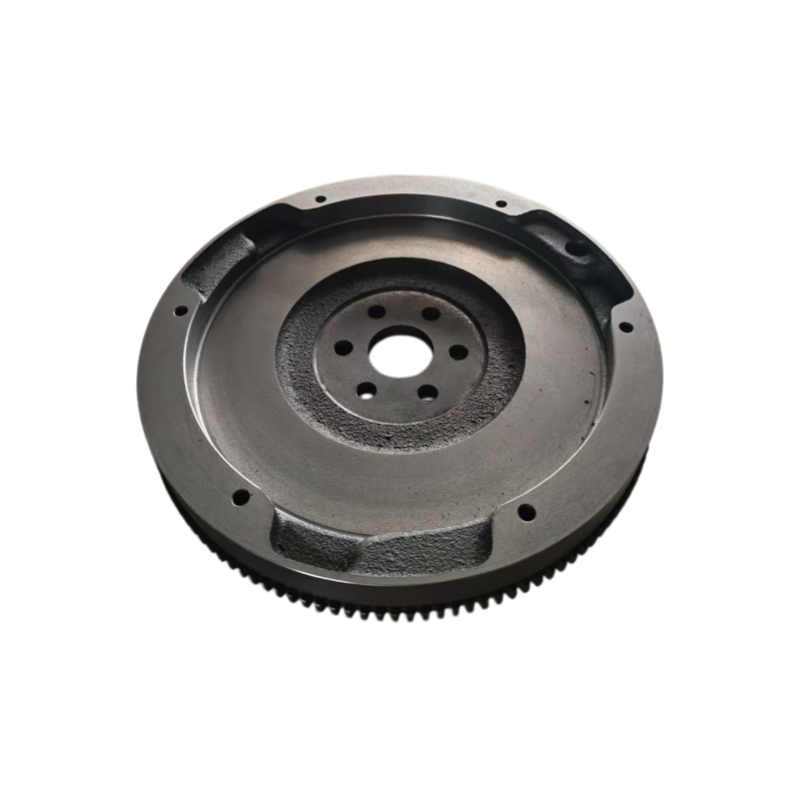
Once a technician removes the transmission, they must evaluate the exposed metal surface. You generally have three distinct paths forward. Making the wrong choice here can ruin your newly installed clutch.
Resurfacing involves placing the solid metal disc on a specialized brake lathe. The machine shaves off a microscopic layer of metal. It creates a perfectly flat, fresh mating surface. This process makes financial sense when dealing with minor glazing, surface rust, or uneven wear. You can only perform this procedure on a single-mass solid unit.
The cost benefit is substantial. Machine shops typically charge around $40 to $75 for resurfacing. This runs significantly cheaper than buying a completely new part. However, inherent risks exist. Removing too much material actively alters your clutch engagement geometry. If the disc becomes too thin, the clutch pedal will feel loose. The clutch may fail to disengage fully.
Sometimes machining is physically impossible. Full replacement becomes mandatory under several specific conditions. If a technician discovers deep heat cracks scoring the metal, they must discard it. Heat cracks indicate severe thermal stress. The metal could shatter under high RPMs.
Missing starter ring gear teeth also demand a full replacement. The starter motor physically meshes with these teeth to crank the engine. If teeth break off, the vehicle will not start reliably. Finally, a failing internal dampener on a dual-mass unit requires tossing the part. You cannot machine or rebuild a broken dual-mass assembly.
Performance enthusiasts often use this repair opportunity to upgrade. Transitioning to a lightweight aluminum or chromoly unit drastically changes vehicle dynamics. Lighter rotating mass allows the engine to rev much faster. You gain sharper throttle response.
However, you must evaluate the daily drivability trade-offs. Heavy stock units store kinetic energy well. They make pulling away from a stoplight smooth and effortless. Lightweight aftermarket units require more throttle input to prevent stalling. They also introduce noticeable idle chatter and gear rattle into the cabin.
Service Category | Ideal Candidate | Relative Expense | Primary Drawback |
|---|---|---|---|
Resurfacing | Single-mass units with minor glazing | Lowest | Alters clutch engagement geometry slightly |
OEM Replacement | Failed dual-mass or cracked single-mass | High | Significant upfront parts cost |
Performance Upgrade | Track cars or highly modified engines | Highest | Increased cabin vibration and idle chatter |
Implementation realities dictate how smart mechanics approach this job. Focusing strictly on the primary failed component introduces severe financial risk. You have already paid for six hours of labor to open the drivetrain. Replacing cheap secondary components now saves you from paying that identical labor charge again next month.
Mating an old, worn clutch friction disc to a newly resurfaced metal face represents a massive mistake. Industry best practices demand replacing the entire clutch kit simultaneously. The old clutch disc carries uneven wear patterns. It will not seat properly against the fresh flat metal.
Skipping the clutch replacement actively voids manufacturer warranties. New parts manufacturers refuse to guarantee their products against premature failure if installed alongside old friction materials. Buy the full clutch kit. It includes the friction disc, pressure plate, and throw-out bearing.
The rear main engine seal sits directly behind the rotating disc assembly. This circular rubber gasket keeps internal engine oil from leaking onto your clutch. Over time, engine heat causes this rubber to become brittle. It eventually cracks and leaks.
The physical seal costs around $20 at most auto parts stores. Highlighting this nominal cost is vital. If this cheap seal starts leaking six months later, you must pay another $800 in labor to access it. Swap the rear main seal while the area is perfectly exposed.
Mechanics must physically remove the starter motor to separate the transmission. This provides the perfect opportunity for inspection. Evaluating starter gear pinion wear remains crucial. The starter pinion pushes outward to engage the ring gear teeth.
If the old starter gear looks chewed up or severely worn, replace the starter now. A damaged starter pinion will aggressively grind against your brand new ring gear teeth. It will ruin the new installation upon the very first startup attempt.
Remove transmission and inspect bell housing for oil residue.
Extract the primary disc and inspect the rear main engine seal.
Clean the crankshaft flange and install a fresh rear main seal.
Mount the new or resurfaced metal disc securely to the crankshaft.
Install a completely new clutch disc and pressure plate assembly.
Inspect starter motor pinion teeth before final reinstallation.
Choosing the correct replacement part impacts vehicle longevity deeply. Vehicle owners must navigate the complex landscape between dealership parts and third-party alternatives. Both categories offer distinct advantages depending on your budget.
OEM parts come directly from the vehicle manufacturer. These parts guarantee perfect fitment right out of the box. You maintain the exact reliable driving dynamics the engineers originally designed. Furthermore, OEM parts carry strict manufacturer-backed warranty compliance. If the part fails prematurely, the dealership network covers the replacement.
The primary disadvantage involves aggressive dealership markups. Dealerships charge premium retail prices for parts you could potentially source cheaper elsewhere. You pay heavily for the branded box and the peace of mind it provides.
The aftermarket sector offers massive variety. You must evaluate the quality of third-party replacements carefully. Look closely at evaluation dimensions like ISO certifications. Research known brand reputations on automotive forums. Many aftermarket manufacturers actually produce the OEM parts for the factory. Buying directly from them bypasses the dealership markup entirely.
Aftermarket companies also engineer clever solutions like single-mass conversions. Many vehicle owners hate the high replacement cost of factory dual-mass setups. Aftermarket kits let you convert a failing dual-mass system into a simpler solid setup. This offers incredible long-term scalability. The conversion saves money upfront and eliminates internal spring failures forever. You simply balance this financial victory against a slight potential increase in cabin vibration.
Receiving an estimate triggers immediate anxiety. You must decipher technical jargon and multiple price columns. Approaching this logically prevents you from overpaying for unnecessary services.
Compare estimates carefully from different tiers of repair shops. A dealership will always quote the highest labor rates and OEM parts prices. An independent transmission specialist often provides a better balance of expert knowledge and fair pricing. A general mechanic might offer the lowest price. However, they might lack specific experience with complex European dual-mass systems.
Watch out for alarming red flags when reading your printed quote. Vague line items without specified labor hours indicate a shop guessing at the workload. You want clear transparency. Demand an itemized breakdown separating parts from labor.
Another major red flag involves pushing for a brand new part without offering a resurfacing evaluation. If you drive a basic commuter car with a solid iron setup, resurfacing is standard practice. Shops demanding full replacement without inspecting the old part first are inflating the bill.
Never hand over your keys without asking specific qualifying questions. Clear communication establishes trust.
“Are you quoting an OEM, aftermarket, or remanufactured part?” Knowing exactly what goes into your car prevents cheap inferior parts from causing issues.
“Does this quote include replacing the clutch release bearing and pilot bearing?” These tiny bearings fail often. Replacing them while the transmission is out is mandatory.
“What is the warranty period on both the parts and the labor?” A reputable shop guarantees their labor for at least 12 months. Ensure they cover the physical labor if the replacement part proves defective.
The final verdict remains clear. Servicing this drivetrain component carries a heavy financial burden primarily due to intense labor requirements. Accessing the area demands specialized tools, heavy lifting, and hours of technical dismantling. However, cutting corners on the replacement parts leads to disastrous long-term outcomes.
Skipping the accompanying clutch replacement or ignoring a weeping rear main seal guarantees future breakdowns. You will simply pay the identical massive labor fee a second time. We strongly recommend prioritizing repair shops that provide highly transparent, itemized quotes. Demand clear separation between parts, labor, and all necessary secondary components. Evaluating these factors objectively ensures your vehicle shifts smoothly for years to come.
A: No. Driving with a damaged unit poses a severe safety risk. Heat cracks can cause the metal disc to shatter at high RPMs, leading to catastrophic transmission failure. Broken ring gear teeth will eventually destroy your starter motor, leaving you completely stranded.
A: A standard replacement requires between 4 to 8 hours of billed labor. The exact time depends heavily on your drivetrain layout. Front-wheel drive vehicles and modern trucks with large subframes generally fall on the higher end of this time spectrum.
A: Yes. Converting to a single-mass setup drastically lowers immediate parts costs and eliminates future internal spring failures. However, you must accept a trade-off in NVH (Noise, Vibration, and Harshness). A solid unit transfers more engine vibration directly into the passenger cabin.
A: No. These are entirely separate mechanical systems. The clutch assembly and rotating disc sit outside the transmission housing. While the mechanic must remove the transmission to reach them, the internal transmission gears and synchronizers remain completely unaffected by this specific failure.


