
Views: 0 Author: Site Editor Publish Time: 2026-08-30 Origin: Site


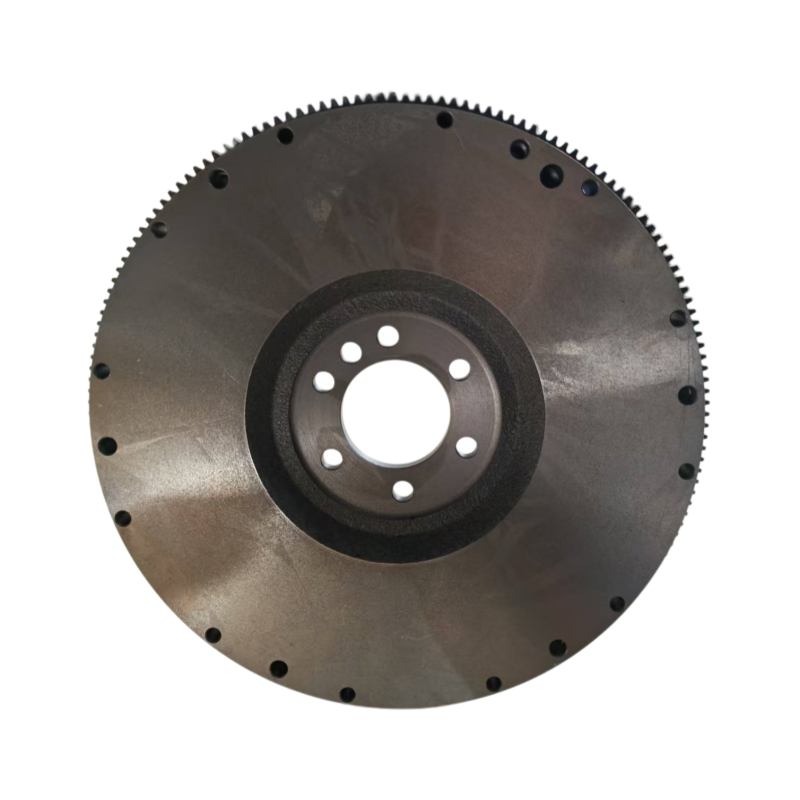
Every manual transmission relies on a crucial component to function correctly. We call this essential part a flywheel. It acts as a mechanical energy storage device. It smoothly transfers rotational energy from the engine crankshaft to the driveline. You engage the clutch pedal, and power moves directly into the drivetrain. But choosing the wrong part creates massive headaches. Selecting an incorrect unit often results in terrible drivability. You might experience continuous engine stalling at stoplights. In severe cases, unmatched harmonics lead to catastrophic drivetrain failure. You cannot afford to guess here. This article provides a definitive, objective framework. We will evaluate materials, weight categories, and critical engine compatibility. You will learn exactly how to match these specifications to your specific driving needs. Our goal is simple. We want you to make a confident, technically accurate purchase.
The optimal flywheel weight is dictated by vehicle weight, gearing, and primary application—not just maximum performance claims.
Upgrading to lightweight materials requires an intentional trade-off between rapid RPM acceleration and stop-and-go drivability.
Verifying engine balance (internal vs. external) and ring gear tooth count is non-negotiable before finalizing a purchase.
Manual transmissions require flywheels; automatic transmissions require flexplates.
Many buyers begin their search without verifying their transmission type. We must establish a strict baseline first. True flywheels exclusively serve vehicles equipped with manual transmissions. They provide a heavy, flat friction surface. The clutch disc presses against this surface to transfer power. If your vehicle lacks a clutch pedal, you do not need this component.
Automatic transmissions require a completely different part. We call it a flexplate. A flexplate bolts directly to the torque converter. Torque converters carry heavy fluid and internal mass. Therefore, automatic engines do not need extra rotational weight. A flexplate is simply a thin steel disc. It connects the starter motor to the engine. It also flexes slightly to absorb torque converter expansion.
You must confirm your specific transmission type immediately. Mixing these terms up guarantees a failed installation. A manual part will never physically fit inside an automatic bellhousing. Define your success criteria now. Ensure you are shopping in the correct component category before you evaluate materials and performance specifications.
Engineers design these components using three primary materials. Each material serves a highly specific purpose. You must understand how these materials handle stress, heat, and rotational inertia. Choosing the wrong material severely impacts your driving experience.
Automakers use cast iron for almost all factory vehicles. Cast iron provides heavy mass and massive rotational inertia. This makes the vehicle incredibly easy to drive. When you release the clutch pedal, the heavy iron mass keeps the engine spinning smoothly. You rarely stall the vehicle in traffic.
These units work perfectly for daily commuters. They offer excellent durability for standard street driving. They also represent the most budget-friendly replacement option. However, cast iron has severe limitations. The casting process leaves microscopic pores inside the metal. Under extreme RPMs, cast iron becomes brittle. High horsepower applications can literally shatter a cast iron unit. You should never use factory cast iron for competitive racing. Shrapnel from a fractured unit can easily pierce the vehicle floorboard.
Performance builders strongly prefer billet steel and chromoly. Manufacturers machine these units from a single, solid block of forged metal. They contain no microscopic pores. This provides superior tensile strength. Billet steel effortlessly withstands massive horsepower and extreme RPM stress. It offers incredible safety for high-performance builds.
These units maintain moderate to heavy weight profiles. They perform exceptionally well in high-horsepower street cars. They are also mandatory for heavy towing and drag racing. Drag racing requires immense stored kinetic energy. A heavy billet steel unit acts like a hammer. It forces a heavy vehicle off the starting line without bogging the engine. The primary limitation is rotational drag. Billet steel remains relatively heavy. It slows down rapid engine deceleration. It also limits your ability to rev-match gears instantly.
Track enthusiasts demand aluminum. Engineers use high-grade aerospace aluminum to drastically reduce rotational mass. Aluminum itself is too soft to handle clutch friction. Therefore, manufacturers bolt a replaceable steel friction plate directly to the aluminum body. This gives you the best of both worlds.
An aluminum unit transforms engine response. You tap the throttle, and the RPMs skyrocket instantly. You lift your foot, and the RPMs drop immediately. This makes it perfect for road racing, drifting, and autocross. Lightweight track cars benefit massively from this rapid response. However, you pay a steep price in drivability. You lose critical rotational inertia. The engine will stall easily in street traffic. You must use aggressive clutch engagement just to leave a stoplight. These units also cost significantly more than steel alternatives.
Material Comparison Chart
Material | Weight Category | Primary Benefit | Biggest Drawback | Best Application |
|---|---|---|---|---|
Cast Iron | Heavy | Smooth engagement, prevents stalling | Prone to shattering at high RPMs | Daily driving, budget repair |
Billet Steel | Moderate to Heavy | High tensile strength, stores kinetic energy | Slower rev-matching speed | Drag racing, towing, high-HP street |
Aluminum | Extremely Light | Maximum RPM response | Difficult stop-and-go drivability | Road racing, track use, drifting |
Weight is the most critical variable in your purchase decision. A common misconception suggests lighter is always better. This is completely false. Physics dictates how a vehicle behaves based on rotational mass. You must match the mass exactly to your primary driving environment.
Street and Daily Driving Outcomes
Street driving demands smoothness. You encounter traffic lights, hills, and slow-moving vehicles. Your engine also powers heavy accessories. The air conditioning compressor and power steering pump drag the engine RPM down. Heavier components provide necessary momentum. They maintain idle stability when the A/C kicks on. They allow you to release the clutch smoothly without aggressive throttle input. A heavy unit makes daily commuting relaxing and predictable.
Drag Racing Outcomes
Drag racing requires explosive launches. You run aggressive, sticky tires on a prepared track surface. These tires grip the track violently. If you use a lightweight unit, the sudden grip will instantly pull the engine RPM down. The engine will bog, and you will lose the race. Heavy billet steel stores massive amounts of kinetic energy. When you dump the clutch, that stored energy forces the tires to turn. It launches the vehicle violently forward. Drag racers need heavy weight to overcome tire grip.
Road Racing and Track Outcomes
Road racing requires absolute precision. You constantly transition between braking and accelerating. You must downshift rapidly before entering sharp corners. A lightweight aluminum Engine Flywheel excels here. The reduced mass allows the engine to rev instantly. You can perform lightning-fast heel-toe downshifts. The engine wastes less energy turning its own mass. Instead, it pushes power directly to the rear wheels for faster corner-exit acceleration.
Off-Road and Towing Outcomes
Trucks and off-road vehicles require maximum inertia. You might crawl over massive rocks at low speeds. You might pull a heavily loaded trailer up a steep incline. You cannot afford to slip the clutch excessively in these scenarios. Slipping generates massive heat and destroys the clutch disc. Heavy steel maintains the necessary momentum. It allows the vehicle to crawl forward steadily without stalling the motor.
Selecting the right material is only half the battle. You must ensure absolute mechanical compatibility. Engines rely on precise tolerances. Failing to verify these specifications will destroy your engine or transmission.
Engine Balance (The Highest Risk Factor)
Engine builders balance crankshafts in two different ways. You must know your exact engine block balance type before ordering parts. Internal balance means the crankshaft counterweights handle all internal harmonics. The engine balances itself. Therefore, you must purchase a zero-balance unit. A zero-balance unit has neutral weight distribution all the way around.
External balance operates differently. The crankshaft relies on external parts to prevent vibrations. It uses a specific harmonic balancer on the front and a counterweighted unit on the rear. A counterweighted unit has a visible chunk of metal added or removed from one side. If you put a zero-balance unit on an externally balanced engine, severe vibrations occur. These vibrations will completely destroy your main engine bearings within minutes.
Ring Gear Tooth Count
The outer edge features a steel ring gear. The starter motor gear meshes with this ring gear to crank the engine. Automakers often change the tooth count across different vehicle generations. For example, classic V8 engines often use either a 153-tooth or 168-tooth ring gear. You must count your teeth or consult a factory manual. If you buy the wrong tooth count, the starter will grind violently and break.
Clutch Sizing and Spline Count
You must match the friction surface diameter to your clutch disc. A 10.5-inch clutch disc requires a corresponding 10.5-inch friction surface. You must also verify the pressure plate bolt pattern. Manufacturers drill specific holes to mount the pressure plate. Finally, ensure your clutch disc spline count matches the transmission input shaft. A mismatch here prevents the transmission from sliding into place.
Crankshaft Flange Bolt Pattern
Engine generations evolve over time. Manufacturers frequently update crankshaft designs. Older engines might feature a two-piece rear main seal. Newer engines might feature a one-piece rear main seal. These seal changes physically alter the crankshaft flange. They change the center bore diameter. They change the mounting bolt pattern. You must identify your exact engine block casting number. Never assume a part fits simply because it belongs to the same engine family.
We designed this checklist to eliminate purchasing errors. Follow these exact steps before you add any component to your shopping cart.
Confirm transmission type. Verify you own a manual transmission. If you have an automatic, stop here and purchase a flexplate.
Identify block generation and balance type. Research your exact engine casting number. Determine if the engine requires internal or external balancing. Note this down immediately.
Define the primary use case. Be honest about how you drive. Categorize your vehicle as a street commuter, drag car, track car, or tow rig. Use this to determine your ideal weight category.
Select the appropriate material. Choose a high-quality FlyWheel material based on your horsepower goals. Buy billet steel for strength. Buy aluminum for track response. Avoid cast iron for high-performance builds.
Verify exact dimensional measurements. Check the starter ring gear tooth count. Confirm the required clutch disc diameter. Match the crankshaft flange bolt pattern against the manufacturer specification sheet.
Purchasing the correct component requires strict attention to detail. You must prioritize physics over marketing claims. Do not over-spec a lightweight aluminum unit for a daily driver. You will hate driving it in traffic. Match the material and mass strictly to your real-world driving environment.
Remember that a successful installation requires a holistic approach. You should always pair a new unit with a properly matched clutch kit. You should also purchase brand new, high-strength mounting hardware. Reusing old bolts creates a severe safety hazard.
If you feel uncertain about balance types or generational engine changes, seek professional guidance. Direct your specific questions to a qualified engine builder. You can also use verified manufacturer fitment tools to finalize your shortlist. Taking these deliberate steps ensures perfect drivability, robust safety, and maximized driveline performance.
A: Yes, machine shops can resurface standard steel or iron units. However, you must check minimum thickness tolerances first. Removing too much material alters clutch geometry. Furthermore, if you notice deep heat checking, blue hot spots, or micro-cracking, resurfacing is dangerous. In those cases, total replacement is much safer.
A: Yes, it dramatically increases the risk of stalling. Lightweight aluminum lacks rotational inertia. It cannot maintain engine momentum when you release the clutch pedal. You must adjust your driving habits entirely. You will need to apply more throttle and slip the clutch longer during low-speed takeoffs.
A: Heavy components act as a massive dampener. They absorb natural engine pulsations. Lightweight aluminum removes this dampening effect. Without mass to absorb the vibrations, engine harmonics travel directly into the transmission. The transmission gears rattle against each other. This creates an audible noise inside the cabin called gear chatter.
A: No, it does not generate actual engine horsepower. An engine produces a fixed amount of power. However, a lighter unit reduces parasitic driveline drag. It takes less energy for the engine to spin a lightweight mass. This frees up existing power, sending it to the wheels for noticeably faster acceleration.


