
Views: 0 Author: Site Editor Publish Time: 2026-08-16 Origin: Site


Have you noticed a rapid ticking noise during morning cold starts? Perhaps you smell raw exhaust fumes inside your cabin. A mechanic might have just handed you a costly quote for an exhaust leak repair. An automotive exhaust manifold handles extreme heat daily. It routes toxic gases safely away from the engine block. Engineers design these critical components for high durability. However, harsh thermal cycling and environmental elements constantly attack them.
They often become a common point of failure in high-mileage vehicles. Extreme temperature swings break down the strongest metals over time. Ignoring these leaks leads to poor fuel economy and serious safety risks. Our goal here is clear. We will provide a structured framework to evaluate component lifespan. You will learn how to diagnose failure symptoms accurately. We will also guide you through deciding between repair, OEM replacement, or aftermarket upgrades.
Average Lifespan: Most automotive exhaust manifolds are designed to last 100,000+ miles or the lifetime of the vehicle, but failure often occurs between 5–8 years in harsh climates.
Primary Culprits: Extreme temperature fluctuations (thermal stress) and environmental corrosion (road salt) are the leading causes of cracking and warping.
Gasket vs. Manifold: Differentiate between a blown manifold gasket (cheaper part, high labor) and a physically cracked manifold.
Replacement Strategy: Upgrading from cast iron to stainless steel or choosing quality aftermarket parts can prevent recurring failures.
Automakers engineer exhaust components for longevity. The baseline expectation for manifold survival ranges between 100,000 and 150,000 miles. Many units last the entire life of the vehicle under ideal conditions. Real-world driving introduces variables affecting this timeline. Some vehicles require replacement much sooner. Environmental stress and material composition play major roles in determining actual lifespan.
Manufacturers typically use one of two primary materials. Each material offers distinct advantages and specific failure modes.
Cast Iron Manifolds: This is the traditional standard. Cast iron is highly durable and retains heat incredibly well. High heat retention helps catalytic converters warm up faster. This improves emissions efficiency. However, cast iron is inherently brittle. Long-term heat cycles weaken its structural integrity. It often develops hairline cracks after years of expansion and contraction.
Stainless Steel (Tubular Headers): Many modern performance and economy cars use stainless steel. This material resists rust much better than cast iron. It is also significantly lighter. However, tubular designs rely on multiple welded joints. These welds become susceptible to stress fractures over time. Improperly supported exhaust systems easily crack these weld seams.
Material Type | Key Advantages | Primary Vulnerability | Best For |
|---|---|---|---|
Cast Iron | Excellent heat retention, thick casting | Brittle cracking, heavy rust scaling | Daily drivers, heavy-duty trucks |
Stainless Steel | Lightweight, superior rust resistance | Weld fractures, vibration damage | Performance cars, modern efficient engines |
Regional factors drastically accelerate structural corrosion. Drivers in northern climates or coastal regions face unique challenges. Winter road salt creates a highly corrosive environment. It coats the undercarriage and bakes onto the hot exhaust metals. This rapid oxidation eats away at flanges and mounting hardware.
Your daily driving habits also matter. Short, frequent trips harm exhaust systems. A cold engine produces condensation. If you drive less than ten minutes, the exhaust system never reaches optimal operating temperature. It fails to burn off the internal moisture. Water pools inside the metal tubes. This leads to aggressive internal rust, shortening component life.
Parts rarely fail without an underlying cause. Identifying the root problem prevents future damage. Here are the top three reasons these components fail prematurely.
Thermal Fatigue: Metal expands when heated. It contracts when cooled. Engine parts experience rapid temperature swings daily. Exhaust gases can exceed 1,200 degrees Fahrenheit. The metal grows and pushes against its mounting studs. When the engine shuts off, the metal shrinks back. This continuous physical movement creates immense stress. Eventually, the casting warps or cracks entirely.
Broken Hangers and Motor Mounts: Your engine sits on rubber mounts. The exhaust pipes hang from rubber isolators. These mounts absorb physical vibration. When motor mounts fail, the engine rocks violently during acceleration. This transfers excessive torque directly to the exhaust system. The rigid manifold absorbs this twisting force. The added physical stress easily snaps mounting studs or cracks the casting.
Lean Engine Conditions: Engines require a specific air-to-fuel ratio. Running lean means the engine receives too much air and not enough fuel. Lean mixtures burn much hotter than normal mixtures. This pushes exhaust gas temperatures (EGT) far beyond design limits. The intense heat warps the mounting flanges. It severely compromises the structural integrity of the casting.
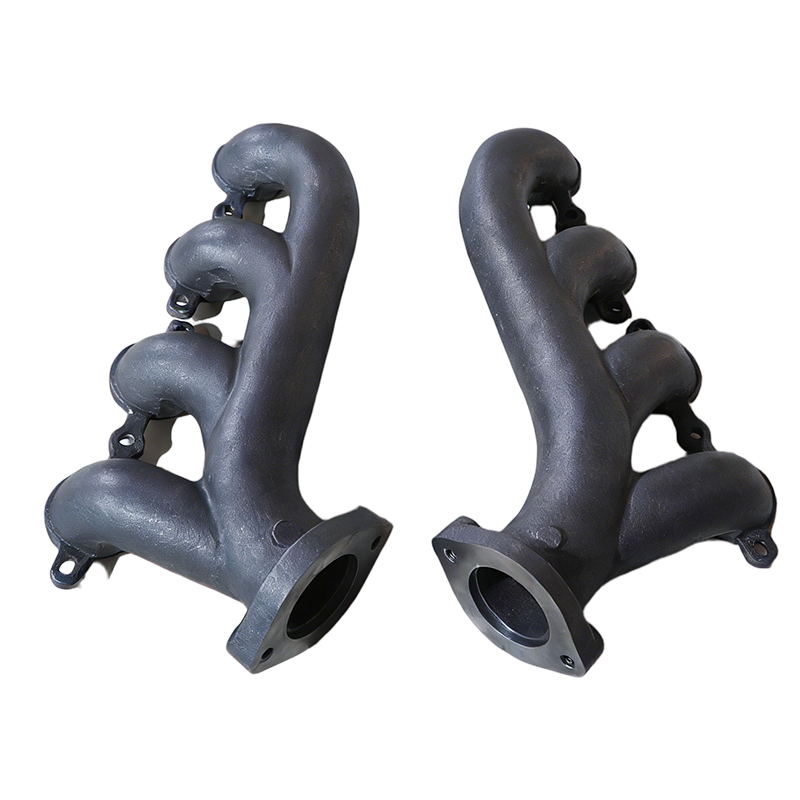
Pinpointing the exact source of an exhaust leak saves time and money. A blown gasket and a cracked casting present nearly identical symptoms. You must differentiate between the two before ordering parts.
Cold Start Ticking: This serves as the primary and most recognizable symptom. You start the engine cold and hear a sharp, rhythmic ticking noise. It sounds similar to a sewing machine. As the engine warms up over five minutes, the noise disappears. The hot metal expands and temporarily seals the tiny gap.
Visual and Olfactory Evidence: Open the hood and inspect the cylinder head mating surface. Look closely around the exhaust ports. You will often see black soot streaks shooting out from the leak point. You may also smell raw exhaust inside the cabin. Fumes get pulled into the HVAC intake near the windshield. This poses a serious carbon monoxide safety risk.
Performance Drops & Check Engine Lights: An exhaust leak introduces unmetered oxygen into the exhaust stream. This tricks the pre-catalytic oxygen (O2) sensor. The computer thinks the engine is running lean. It compensates by dumping extra fuel into the cylinders. You experience poor fuel economy, sluggish performance, and eventual error codes.
Verification Step: Never guess based on sound alone. A professional smoke test pushes pressurized vapor through the tailpipe to reveal leaks. Alternatively, perform a cold-engine soapy water test. Spray soapy water on the cold joints. Start the engine. Look for bubbling before the metal gets too hot.
Once you identify a physical defect, you face a choice. Should you attempt a repair or replace the unit entirely? Labor costs dictate much of this decision.
You can technically weld cast iron. However, professionals rarely recommend it. Cast iron absorbs carbon over years of exhaust exposure. This makes it incredibly brittle and difficult to weld correctly. The process requires pre-heating the entire part in an oven. Even then, the weld creates a new stress point. The metal usually cracks right next to the new weld within months. Treat welding as a short-term band-aid rather than a permanent solution.
Sometimes the part does not crack. It simply warps due to heat. The mounting flange loses its perfectly flat surface. This blows out the gasket. A machine shop can mill the flange completely flat again. You must compare the machining costs against the price of a brand-new part. Oftentimes, machine shop labor costs rival the price of a fresh aftermarket replacement.
Full replacement remains the industry standard. Removing an exhaust component involves high labor hours. You must navigate rusted bolts, cramped engine bays, and stuck oxygen sensors. You do not want to pay for this labor twice. Installing a brand-new part guarantees a proper seal. It provides the most cost-effective long-term solution.
Selecting the right replacement part impacts future reliability. When sourcing a new automotive exhaust manifold, you face several distinct choices. Parts are not created equal.
OEM vs. Aftermarket Parts: Original Equipment Manufacturer (OEM) parts guarantee exact fitment. However, they replicate the exact original design. If the factory design had a fatal flaw, the new OEM part will eventually fail the same way. Quality aftermarket brands often re-engineer these parts. They fix factory flaws. They add expansion joints to absorb heat. They use thicker mounting flanges to prevent warping. They also usually arrive at a more competitive price point.
Integrated Catalytic Converters: Modern emissions standards require catalytic converters to light off instantly. Automakers achieve this by welding the converter directly into the exhaust manifold. This is known as a Manifold Catalytic Converter. This integration significantly impacts replacement costs. You cannot just replace the cracked casting. You must replace the expensive precious metals inside the converter as well. Ensure any replacement meets your local emissions compliance laws.
Hardware Kits: Never reuse old exhaust hardware. The extreme heat weakens the original studs and nuts. Always purchase a complete hardware kit. This includes new steel studs, specialized locking nuts, and high-quality multi-layer steel (MLS) gaskets. Fresh hardware ensures a tight, long-lasting seal.
Replacing exhaust components looks simple on paper. You unbolt the old unit and bolt on the new one. Reality tells a much harsher story. Installation presents unique and frustrating challenges.
The Broken Stud Dilemma: Engine blocks and cylinder heads are often made of aluminum. Exhaust mounting studs are made of steel. The constant heat causes galvanic corrosion between the two different metals. The rusty steel studs seize inside the soft aluminum head. When you attempt to loosen the nut, the stud simply snaps off. Extracting a broken stud from an aluminum cylinder head requires immense patience and skill.
DIY vs. Professional Installation: Consider your toolset before attempting this at home. You need more than a standard socket set. You need copious amounts of penetrating oil. You often need an oxy-acetylene torch to heat stubborn nuts cherry-red. You need specialized bolt extractors and right-angle drills for broken studs. If you lack these tools, hire a professional shop. Paying their labor rate avoids ruining your engine block.
Warranty Evaluation: Always check the warranty length on replacement parts. Favor brands offering lifetime or extended guarantees against cracking. High-quality aftermarket manufacturers stand behind their re-engineered designs. A strong warranty provides peace of mind against future thermal fatigue failures.
An automotive exhaust system component should theoretically last the life of your car. However, relentless thermal stress and harsh environments make replacement a reality for many high-mileage drivers. Recognizing the early warning signs saves you from collateral damage. Ignoring a leak leads to poor engine performance and dangerous cabin fumes.
Your next steps require decisive action. Confirm the exact source of your exhaust leak. Use a smoke test to differentiate between a failed gasket and a cracked casting. Once diagnosed, begin sourcing a high-quality, re-engineered replacement part alongside a fresh hardware kit.
Do not wait until the leak damages adjacent engine components. Consult a trusted product catalog or fitment search tool today to find the exact match for your vehicle. If you lack specialized extraction tools, book a professional diagnostic service immediately to handle the heavy lifting safely.
A: No, it is not safe for extended periods. A crack allows carbon monoxide and raw exhaust fumes to enter the passenger cabin through the HVAC system. This creates a severe health hazard. Additionally, escaping high-temperature gases can melt nearby plastic wiring harnesses or plastic brake fluid reservoirs, posing a localized fire risk.
A: Costs vary wildly based on vehicle type. A standard standalone cast-iron replacement typically runs between $400 and $900 for parts and labor. However, if your vehicle features an integrated manifold catalytic converter, the part alone can cost $800 to $1,500. Labor usually adds another 3 to 5 hours of shop time.
A: A glowing red casting indicates dangerously high exhaust gas temperatures. This usually stems from severe engine timing issues, a very lean fuel mixture, or a completely clogged catalytic converter. The exhaust gases cannot escape, creating immense backpressure and heat buildup. You must address this immediately to prevent engine fires or catastrophic block damage.
A: Yes. You should never reuse old exhaust gaskets. Once a gasket undergoes extreme heat cycling and gets compressed, it loses its ability to seal again. Always install brand-new, multi-layer steel (MLS) gaskets and fresh mounting studs to ensure a permanent, leak-free installation.


