
Views: 0 Author: Site Editor Publish Time: 2026-08-08 Origin: Site


Drivers rarely think about their engine's exhaust system until a loud noise or flashing dashboard light disrupts their commute. You might find yourself researching this component right now because you are facing a tough repair diagnosis. Perhaps you recently failed an emissions test. Alternatively, you might be considering a major performance upgrade.
The automotive exhaust manifold serves as the critical first stage of your vehicle's exhaust system. It bolts directly to the engine cylinder head. This part collects intensely hot combustion gases. When it cracks or warps, escaping gases ruin engine efficiency and threaten cabin safety.
This guide explains exactly how this vital engine part functions. We will identify common failure symptoms so you can spot trouble early. You will also get a clear framework for evaluating repair or replacement options.
The exhaust manifold collects combustion gases from multiple cylinders and funnels them into a single pipe while burning off residual fuel.
Cracked or leaking manifolds compromise fuel efficiency, damage downstream components (like catalytic converters), and pose cabin safety risks.
Replacement decisions typically come down to OEM-style cast iron (durability/compliance) versus aftermarket tubular headers (performance/flow).
Labor costs often exceed part costs due to the high risk of rusted or broken mounting studs during removal.
Your engine breathes in fresh air and forcefully exhales destructive byproducts. The manifold acts as a robust funnel. It bolts flush against the engine block. It gathers extreme-heat exhaust gases expelled from the engine cylinders. It then routes them smoothly down toward the catalytic converter. High-quality designs also utilize a physical property called scavenging. Exhaust pulses exit the cylinders at high velocities. These pulses create a vacuum effect behind them. This negative pressure actively pulls the next batch of exhaust out of the engine. Efficient scavenging directly improves engine horsepower. It allows the cylinders to draw in a denser, cleaner charge of fresh air during the next intake stroke.
Modern engines generate immense heat. Exhaust gases regularly exceed 1,200 degrees Fahrenheit as they exit the combustion chamber. The manifold must retain this extreme heat for two distinct reasons. First, high internal temperatures help burn off unspent fuel droplets. Second, this thermal retention ensures the catalytic converter reaches its operating temperature quickly. A cold catalytic converter cannot process harmful emissions. If the manifold dissipates too much heat, the vehicle will fail modern emissions standards. Heavy metal construction acts as a thermal battery. It traps the heat inside the exhaust stream where it belongs.
Modern engine management relies heavily on constant feedback loops. The manifold serves as the primary mounting point for upstream oxygen (O2) sensors. These sensors sit directly in the blazing exhaust stream. They measure the exact ratio of unburned oxygen leaving the cylinders. The Engine Control Unit (ECU) analyzes this real-time exhaust data. The computer then adjusts the fuel injectors instantly. It dictates the perfect air-fuel mixture to keep the engine running smoothly. If the manifold cracks, ambient air slips into the exhaust stream. The sensor reads this false air and forces the engine to burn extra fuel.
Experienced mechanics often diagnose manifold issues using only their ears. A failing unit typically produces a distinct "ticking" or "puffing" noise. You will notice this sound most prominently during morning cold starts. The noise resembles a sewing machine or a fast-paced clicking. Interestingly, this noise often fades away completely after five to ten minutes of driving. The engine block and the manifold heat up rapidly. The metal expands under this heat. This thermal expansion temporarily seals the hairline crack or warped gasket gap. Do not ignore the noise simply because it disappears. The physical crack remains present and will inevitably grow larger.
A compromised exhaust system silently drains your vehicle's performance. You will likely experience decreased fuel economy first. Sluggish acceleration soon follows. These performance drops trace back to skewed O2 sensor readings. The venturi effect occurs when high-velocity exhaust gases rush past a crack. This physical phenomenon actively sucks cold, ambient air from the engine bay into the exhaust pipe. The upstream O2 sensor detects this extra oxygen. It mistakenly assumes the engine is running too lean. The engine computer compensates by dumping excess fuel into the cylinders. This rich running condition wastes gas, fouls spark plugs, and dulls throttle response.
Ignoring a manifold leak introduces severe safety hazards. Raw exhaust gases contain deadly carbon monoxide. A cracked manifold releases these toxic fumes directly under your car's hood. Your vehicle's climate control system pulls fresh air from the base of the windshield. It will easily draw these exhaust odors straight into the passenger cabin. Prolonged exposure causes headaches, dizziness, and nausea. Furthermore, modern vehicles monitor emissions strictly. A leak triggers an illuminated Check Engine Light (CEL). Your local inspection station will instantly fail any vehicle displaying this code. You cannot pass a smog test until you permanently seal the leak.
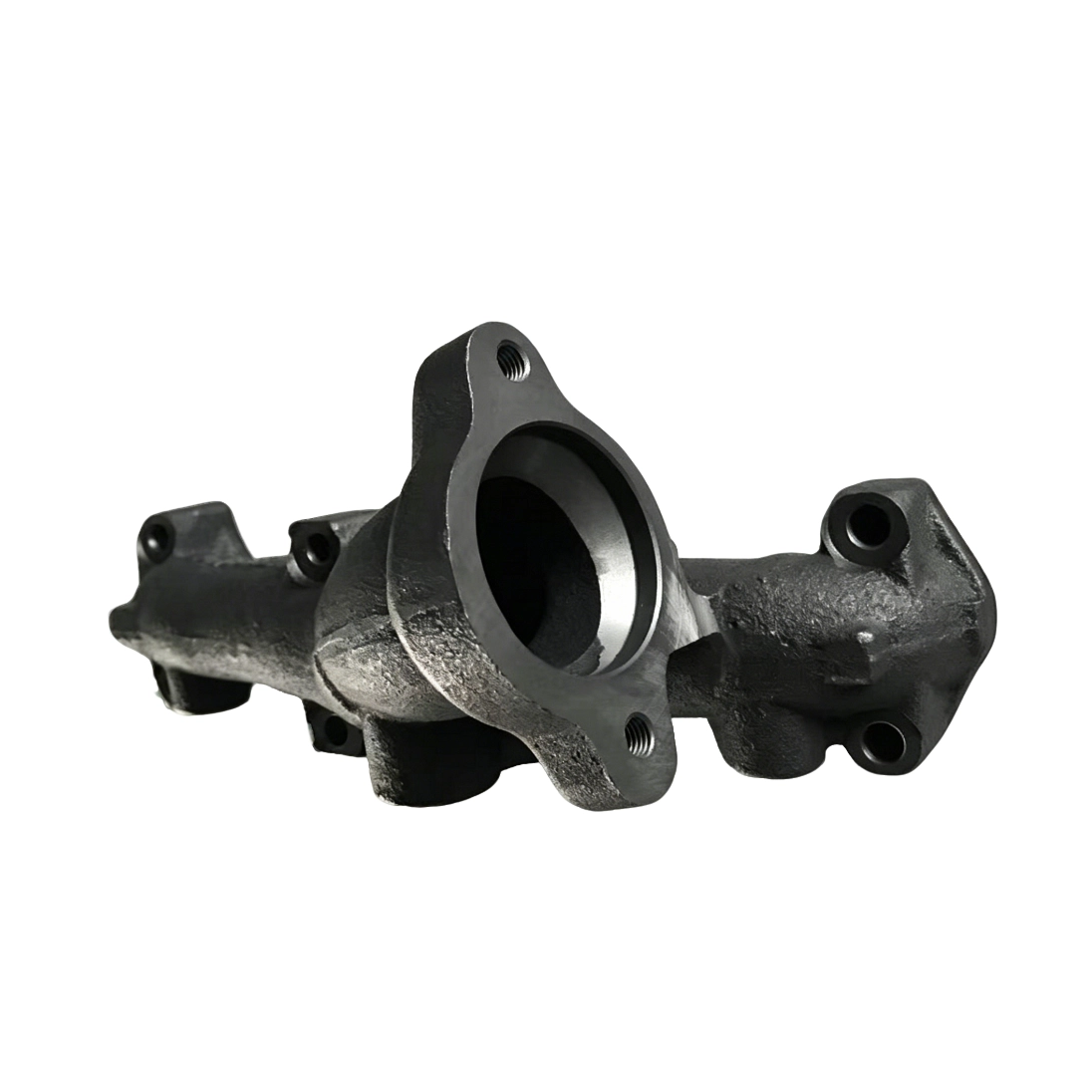
When replacement becomes mandatory, you face a distinct choice regarding replacement parts. The market offers two primary categories based on your driving goals. Standard repairs call for heavy-duty metal components. Performance enthusiasts often prefer specialized steel tubing.
Most vehicles roll off the assembly line equipped with thick, heavy parts. A high-quality cast iron exhaust manifold remains the industry standard for general repairs. Manufacturers prefer this material for several practical reasons.
Pros: They offer phenomenal thermal retention. They provide immense durability against thousands of daily heat cycles. You get guaranteed bolt-on fitment. They also ensure absolute emissions compliance in all fifty states.
Cons: These parts are exceptionally heavy. The rough internal casting creates restrictive exhaust flow. They remain prone to eventual heat-stress cracking after crossing the 100,000-mile mark.
Best for: Daily drivers, standard commuter vehicles, standard insurance repairs, and residents living in strict emissions-regulated jurisdictions.
Automotive enthusiasts frequently discard factory castings in favor of aftermarket tubular headers. Engineers build these parts by welding individual steel tubes together to match specific lengths.
Pros: They provide significantly smoother exhaust flow. They drastically reduce engine backpressure. You will see measurable horsepower and torque gains on a dynamometer.
Cons: They feature thinner walls, which cause massive heat dissipation issues under the hood. You will face potential fitment challenges around steering shafts. You must also navigate varying legal compliance issues (like strict CARB restrictions).
Best for: Dedicated track vehicles, heavy-duty towing applications, and car enthusiasts who prioritize performance output over factory specifications.
Below is a quick comparison chart detailing the primary differences between the two main replacement paths.
Feature | OEM Cast Iron Manifold | Tubular Exhaust Headers |
|---|---|---|
Material Weight | Very Heavy (Thick Walls) | Lightweight (Thin Walls) |
Flow Efficiency | Restrictive / Standard | High-Flow / Optimized |
Heat Retention | Excellent | Poor (Requires Heat Wraps) |
Horsepower Gain | None (Restores Factory Specs) | Moderate to High |
Emissions Legality | 100% Street Legal Everywhere | Varies (Check Local Laws) |
Selecting the right replacement part prevents premature failures. The aftermarket auto parts industry offers wildly varying levels of quality. Use the following sequential framework to evaluate any replacement candidate before clicking purchase.
Material Quality: Do not buy cheap, unbranded metal parts. Look for dense, thick-cast iron for direct factory replacements. If you choose aftermarket headers, demand 304 or 409-grade stainless steel. Lower-grade steel will succumb to premature corrosion and rust through within a year.
Flange Thickness: Examine the mounting flange carefully. This flat section bolts directly to your engine head. Prioritize manifolds featuring thick, precision-machined mounting flanges. Thin flanges will warp dramatically under extreme engine heat cycles. A warped flange guarantees a permanent, unfixable exhaust leak.
Hardware Inclusions: A proper replacement job requires fresh hardware. Ensure the replacement kit includes high-quality Multi-Layer Steel (MLS) gaskets. Verify they provide replacement heat shields if your vehicle requires them. Most importantly, demand fresh replacement studs and mounting nuts. Never reuse stretched, heat-fatigued factory bolts.
Emissions Legality: Read the fine print on performance parts. Verify the replacement part does not delete, bypass, or relocate your catalytic converters. Moving a converter too far downstream prevents it from reaching operating temperature. This setup violates local environmental regulations and guarantees a failed inspection.
You must prepare for the worst when tackling this specific engine repair. The factory mounting bolts live in a brutal environment. They endure years of extreme heat cycling. Rainwater, road salt, and dirt constantly splash onto them. This exposure causes severe metallurgical fatigue. Mechanics know the high probability of factory mounting bolts snapping flush with the cylinder head during removal. A simple unbolting process rapidly becomes a nightmare. If a steel stud snaps inside an soft aluminum engine head, the repair complexity multiplies instantly. Mechanics must use specialty tools to extract the broken metal carefully.
Budgeting for this job requires understanding shop realities. Labor hours are almost always the most expensive part of a manifold replacement. The physical metal component might cost a few hundred dollars. However, the shop must clear away steering columns, airbox assemblies, and heat shields just to reach the bolts. If studs break, labor jumps from three hours to eight hours. This dynamic makes cheap, poorly-fitting aftermarket parts a massive false economy. If you save fifty dollars on a cheap part, it will likely warp in six months. You will then pay a mechanic another thousand dollars in labor to replace it again.
Many weekend mechanics successfully change brakes and alternators. However, exhaust work demands a different skill level. We strongly recommend professional installation for this specific component. You should only attempt a DIY replacement if you possess advanced mechanical experience. You must know how to properly use screw extractors. You need experience with thread tapping tools. You must own an oxy-acetylene torch to heat stubborn nuts. You will also spend hours managing tight-clearance engine bays with limited leverage. A professional shop possesses the specific extraction tools, lifts, and welding equipment required to handle broken studs safely.
Your vehicle relies on a healthy exhaust system to balance power, efficiency, and safety. You must fix suspected exhaust leaks immediately. Delaying the repair forces your engine to run rich, which eventually melts your expensive downstream catalytic converter. Use a simple decision matrix for your replacement strategy. Choose heavy-duty cast iron for ultimate longevity, quiet operation, and guaranteed legal compliance. Choose reputable stainless steel headers only if you prioritize high RPM performance and accept the installation tradeoffs. Take immediate action today. Consult a trusted mechanic for a professional diagnostic smoke test, or begin browsing vehicle-specific OEM replacement kits from reputable manufacturers.
A: Yes, you can drive it temporarily, but you risk severe damage. In the short term, you will experience poor gas mileage and excessive noise. Long-term driving forces the engine to run excessively rich. This unburned fuel will eventually overheat and destroy your catalytic converter, turning a minor repair into a massive expense.
A: You should almost always replace it. Welding cast iron requires extreme skill, pre-heating, and slow cooling procedures. Even with a perfect weld, the metal remains structurally fatigued. It is merely a temporary patch. The intense, repeated heat cycling of daily driving usually causes the weld to crack again within months.
A: A standard replacement typically ranges from $500 to $1,200. The bare metal part usually costs between $150 and $400. The remaining balance goes entirely to labor. Expect labor charges to spike significantly higher if the mechanic encounters rusted or broken mounting studs that require drilling and extraction.
A: A standard replacement restores your lost gas mileage; it does not magically increase factory MPG. A crack tricks the oxygen sensor into dumping excess fuel. By sealing the leak with a new part, you fix the sensor reading. The engine returns to its highly efficient factory air-fuel ratio.


